BlockFi Login: What It Was, What Happened & What It Means Now
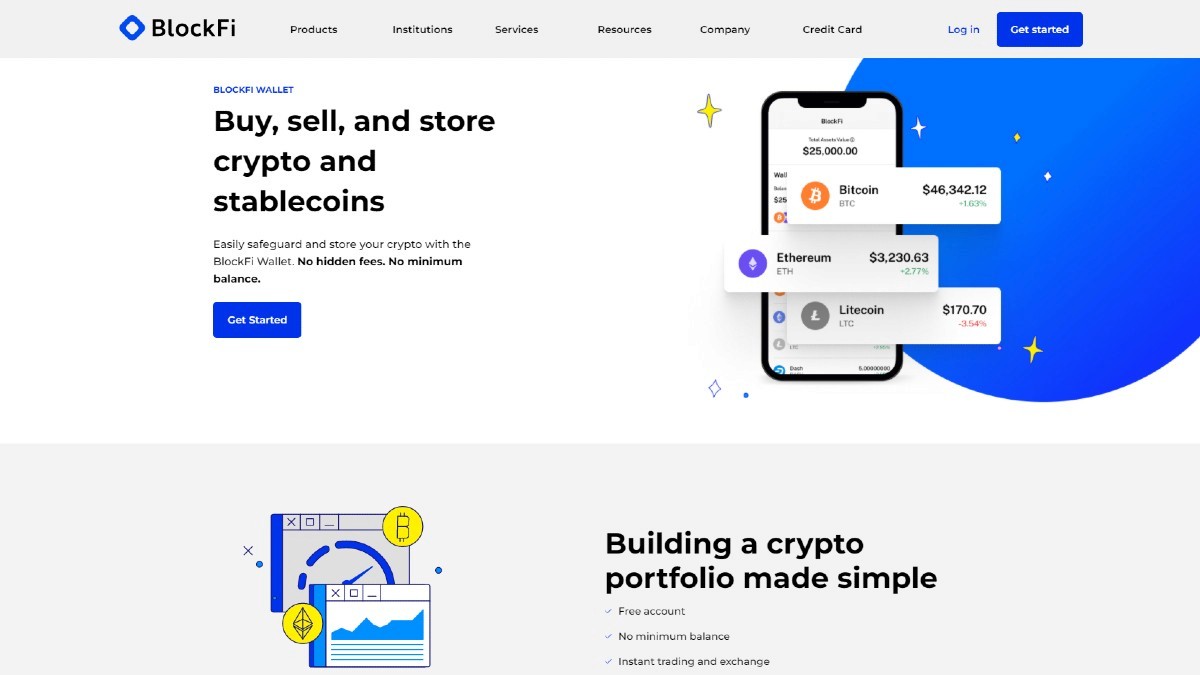
At its peak, BlockFi was one of the largest cryptocurrency lending and finance platforms. Logging in to BlockFi gave you access to your account dashboard, balances, interest-earning accounts, loans, withdrawals, and trading features. That login process — email/password (plus optional 2FA), wallet management, and transaction history — was your portal to manage digital assets.
However, since late 2022, the fate of BlockFi has changed drastically. The company filed for bankruptcy, stopped normal operations, and in 2024 shut down its public web platform.
Wikipedia
+2
Cointelegraph
+2
As of 2025, “BlockFi login” no longer refers to accessing a live platform for traditional crypto lending or interest services — but to retrieving claims, requesting distributions, or handling legacy account matters. This guide explains how login worked, what changed, and what you need to do now if you were a former BlockFi user.
Brief History: From Leading Crypto Lender to Bankruptcy
BlockFi was founded in 2017 as a digital-asset lender, offering interest accounts, crypto-backed loans, and more.
Wikipedia
+1
In mid-2022, it was rescued temporarily by the then-prominent exchange FTX via a large credit line — but when FTX collapsed in November 2022, BlockFi’s financial situation deteriorated sharply.
Wikipedia
+2
Cointelegraph
+2
On November 28, 2022, BlockFi filed for Chapter 11 bankruptcy protection in the United States.
CT.gov
+1
For many months, the platform suspended withdrawals, trading, and new deposits.
2cryptoguys.com
+1
On October 24, 2023, BlockFi announced it had “emerged from bankruptcy,” under a court-approved plan. The plan enables certain withdrawals or distributions to customers — though under very different terms than before.
Yepyr B.V.
+2
coinlive.com
+2
In May 2024, BlockFi shut down its web platform for users.
Cointelegraph
+2
The Block
+2
Shortly after, the state regulator in California — California Department of Financial Protection and Innovation (DFPI) — revoked BlockFi’s lending license.
Cointelegraph
+1
So in short: BlockFi as you knew it — an active crypto-lending and interest platform — no longer exists. The “login” entry point for that active platform no longer works.
How BlockFi Login Used to Work (Before Bankruptcy)
When BlockFi was operational, logging in was similar to other web-based crypto/finance platforms. Typical steps:
Navigate to blockfi.com (or use mobile app), and enter registered email + password.
Optionally complete two-factor authentication (2FA) for added security.
Upon successful authentication, access your dashboard — see balances for crypto wallets, interest-bearing accounts, loans, withdrawals, and transaction history.
Manage withdrawals or transfers, request loans, or trade — depending on your account type.
For withdrawals and transfers, provide external wallet/address, confirm transaction, and often complete security prompts.
BlockFi served as a custodial platform — i.e. it held user assets and centrally managed custody and security. This meant that login security, platform operations, and backend liquidity were under BlockFi’s control.
That model carried risks — centralized custody, reliance on company solvency, and potential regulatory or counterparty exposure. Unfortunately, those risks materialized when BlockFi’s exposure to FTX and broader market turmoil triggered collapse.
What “Login” Means Now (Post-Shutdown / Post-Bankruptcy)
For former users, “logging in” no longer means checking balances, trading, or using interest/loan products. Instead, if you had funds, you may need to log in (or attempt to) for one of these objectives:
Download transaction history, interest statements, tax documents, or past records — often needed for tax filing or audit.
Crowdfund Insider
+1
Submit a withdrawal request or claims request under the bankruptcy / asset-distribution plan. After emerging from bankruptcy, BlockFi said customers could submit withdrawal requests or claims if they had funds under “Wallet” balances or were creditors under interest accounts.
Yepyr B.V.
+1
Receive funds or assets via the platform’s liquidation/settlement process, potentially via a third-party partner such as Coinbase (as announced in May 2024).
Cointelegraph
+2
The Block
+2
Respond to communications from the bankruptcy estate administrators or claim-handling agents (for example, to complete KYC/identity verification, provide withdrawal instructions, choose payout method — crypto or cash — etc.).
CoinDesk
+1
However — and this is crucial — the original BlockFi login portal (web dashboard, trading, withdrawals) is no longer active. The official platform terminated in May 2024.
Cointelegraph
+2
cointeeth.com
+2
As a result:
Many users report that they cannot access their account — login attempts redirect or fail.
+1
The user interface and systems for login and account functions were dismantled.
BlockFi’s business operations (lending, interest products, asset custody) have ceased, as the company wound down.
Wikipedia
+2
Brave New Coin
+2
If You Were a BlockFi User — What You Should Do Now
If you once had holdings on BlockFi — here are practical steps recommended now (2025):
🔹 Check for Official Communications
Look for emails from BlockFi, their bankruptcy estate administrators (or claims agents such as Kroll), or official notices about distributions.
Be alert for phishing attempts: after shutdown, many scammers have impersonated BlockFi — always verify sender domain and legitimacy. Multiple former users have posted warnings about questionable emails.
+1
🔹 Download Important Records Immediately (If You Can Still Login)
Transaction history, tax-related documents, interest statements, lending/loan records — these may be essential for tax compliance, accounting, or personal record-keeping. When the platform shuts down, you may lose access permanently. BlockFi had advised users to download all such documents before shutdown.
Crowdfund Insider
+1
🔹 Submit Your Withdrawal or Claim Request (If Eligible)
After bankruptcy emergence (Oct 2023), BlockFi reopened “wallet withdrawals” for many clients.
Yepyr B.V.
+2
coinlive.com
+2
If you had BIA (interest accounts), loans, or other eligible holdings, follow instructions from the estate administrators to claim distributions.
As of May 2024, future distributions were to be handled via Coinbase as BlockFi’s distribution partner.
Cointelegraph
+1
If you miss deadlines or fail verification (KYC), assets might be converted to cash or forfeited depending on the terms of the liquidation plan.
Crowdfund Insider
+1
🔹 Be Patient — Payouts Depend on Recoveries & Legal Processes
The bankruptcy settlement depended on BlockFi’s ability to recover assets from collapsed firms like FTX and others.
Blockworks
+2
coinlive.com
+2
According to recent reports (2025), many international customers have not yet claimed distributions — the deadline for claims may affect final payouts.
CoinDesk
Lessons from BlockFi’s Downfall — What Its Closure Teaches Crypto Users
The saga of BlockFi offers several important lessons for anyone involved in crypto:
⚠️ Custody Matters — “Not Your Keys, Not Your Coins”
BlockFi was a custodial platform. Users trusted BlockFi to hold their private keys on their behalf. When the platform failed, many users lost immediate access — even if their assets were “on paper.” This underscores why self-custody (hardware wallets, self-managed wallets) remains the gold standard for many crypto veterans.
📄 Always Maintain Local Backups of Records
Because user-level access can vanish (platform shutdown, bankruptcy, hacks), it’s wise to regularly export and store local copies of transaction history, interest records, tax documents, and statements — for future reference or compliance.
🧾 Understand the Risk of Centralized Crypto Lenders
While lenders like BlockFi offered enticing yields, they carried centralized risks: mismanagement, bad exposure to other firms (like FTX), regulatory scrutiny, liquidity crises. Yield + convenience came with trade-offs.
🌐 Be Wary of Regulatory, Counterparty and Market Risk
Crypto firms often operate in volatile environments. Even firms that seem established can be vulnerable to external shocks, contagion from counterparties, or regulatory actions — as BlockFi’s license revocation in California illustrates.
Cointelegraph
+1
Current Status & What “Login” Means in 2025
As of 2025:
BlockFi’s user-facing platform is shut.
Cointelegraph
+2
The Block
+2
The company no longer offers lending, interest accounts, or active services.
Wikipedia
+2
Cryptopolitan
+2
The only ongoing function is estate distributions under bankruptcy liquidation — managed via partnerships (e.g. Coinbase) and a claim process for eligible former customers.
The Block
+2
Cointelegraph
+2
Former users need to act: claim distributions, provide required KYC/verification, choose payout options, or risk losing recovery rights.
Thus, “BlockFi login” in 2025 is effectively symbolic — a remnant step for accessing legacy records or claims, not for active crypto usage.
Conclusion: BlockFi Login — A Cautionary Tale & How to Handle Legacy Accounts
BlockFi’s journey — from being a top-tier crypto lender to bankruptcy, shutdown, and license revocation — serves as a stark reminder: in the world of crypto, convenience often comes with deep risks. What began as a simple login to manage crypto balances evolved into a complex bankruptcy claim process, and finally a lesson in self-custody and risk awareness.
If you were a BlockFi user, treat any remaining login or account access not as a portal to active crypto services, but as a path to recovery. Act promptly: gather your records, file your claims, verify identity where required, and monitor official communications from the estate administrators.
For new crypto investors: if you value control and long-term security, consider non-custodial wallets or hardware solutions — because once a platform shuts down, only self-custody ensures you remain in control of your coins.